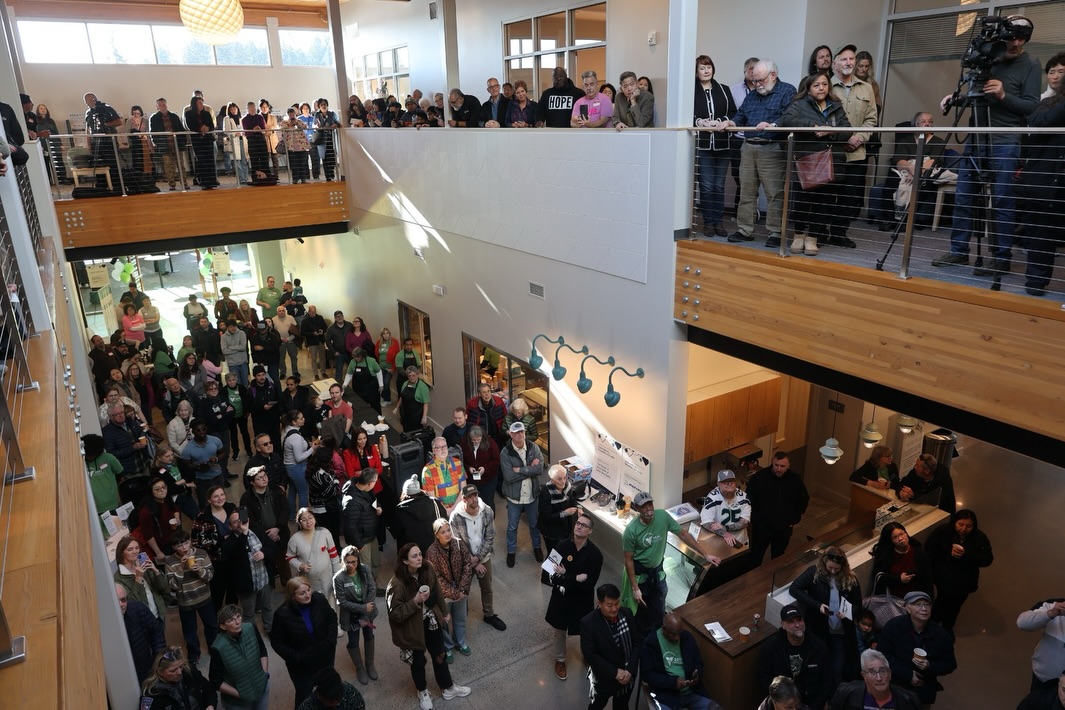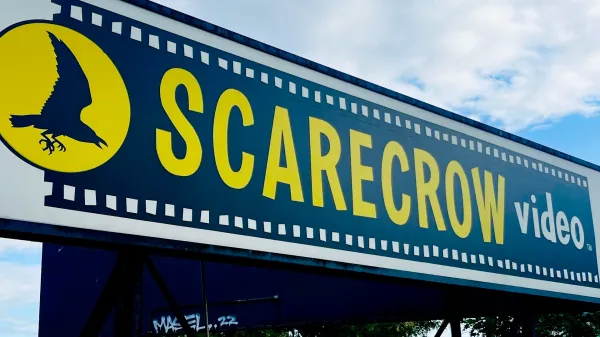
 In a time when almost everything is streamable, walking into Scarecrow Video feels like stepping into another universe.
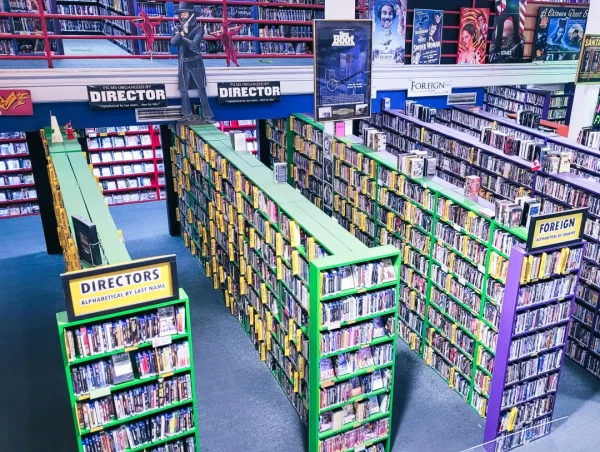
The walls of the Univerity District store are lined with DVDs, Blu-rays and even old VHS tapes, each one a reminder that some movie lovers still want the real thing.
For Matt Lynch, Scarecrow’s head of marketing, the store’s purpose hasn’t changed. “Scarecrow’s mission remains unchanged: to connect people with movies,” he said. “We’re dedicated to preserving and making accessible the world’s diverse cinematic cultural heritage.”
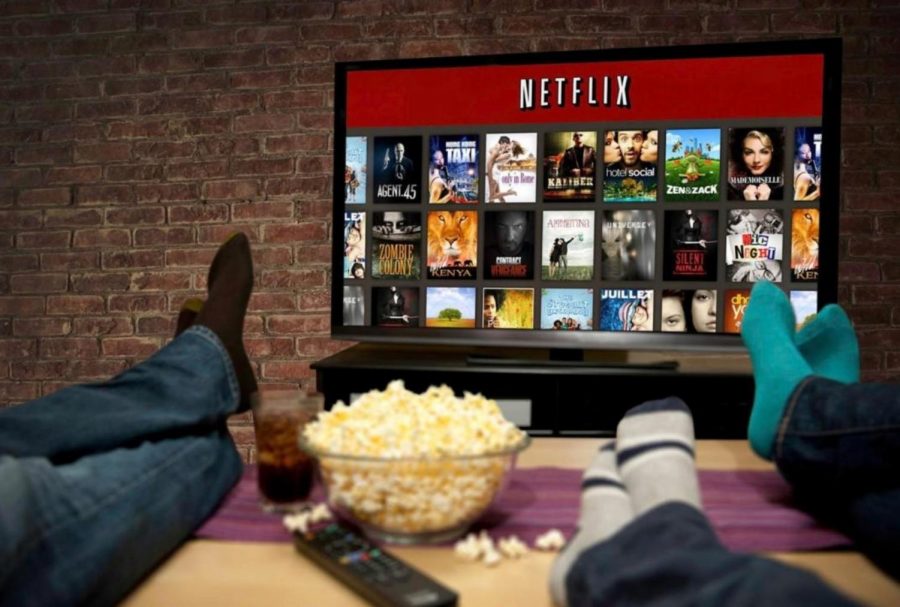
That goal matters more than ever. Streaming prices keep rising, catalogs keep shrinking and titles can disappear overnight depending on who owns what. Lynch says that’s exactly why physical media still matters. “The main thing people get from physical media is control,” he said. “Streaming services’ offerings change due to licensing deals between big corporations that only see content, not art.”
More young people have been drifting into the store lately, especially from the University of Washington. Some come out of curiosity, others because they’re tired of endless scrolling. “People are discovering just what isn’t available to them online,” Lynch said. “When they walk through our doors, they get a sense of just how massive the world of movies actually is.”
For many visitors, the appeal isn’t just the selection — it’s the feeling.
UW law student and Scarecrow regular Erika Haack says streaming can’t replicate the human side of movie hunting. “Scarecrow is community,” she said. “It hits different to go into the video rental and chat with someone — to get a recommendation from a real person rather than an algorithm.” She said she’s found movies and directors she never would have discovered online, where algorithms tend to push the same types of content. “Streaming pushed me to watch the same stuff over and over … and now they’re expensive and have ads again. I’d rather spend my money at Scarecrow supporting my local community.”
Haack said going to the store also makes choosing what to watch feel more intentional. “Scrolling through hundreds of titles feels so devoid of substance,” she said. “Walking through the aisles makes the work feel real and tangible. Picking out two movies for the week makes my TV time way more intentional.”
For longtime film fan Austin Bren, his first visit to Scarecrow felt like walking into a library mixed with a 1990s Blockbuster. “A mix of nostalgia and old well-used floors set the pace for an absolutely charming first experience,” he said. With three children and multiple streaming platforms at home, he still finds something special about coming into the store and dusting off his family’s old DVD player. “It’s a feeling you can’t trade.”
Both Bren and Haack say something important gets lost when movies only exist on streaming platforms. Haack sees it as a question of agency. “Streaming platforms make censorship and authoritarian control easier,” she said, pointing to shows disappearing without warning. “We basically lose a portion of our First Amendment rights when we abandon physical media.” Bren put it simply: “If we lose anything from watch-now streaming, it’s the transaction — getting up, taking a walk, talking to a real person. You gain a greater appreciation because, no matter how small, you earned it.”
Owning a movie also feels different. “It’s like having a million dollars in bitcoin vs. a million in cash in your hands,” Bren said. “One is way cooler.”
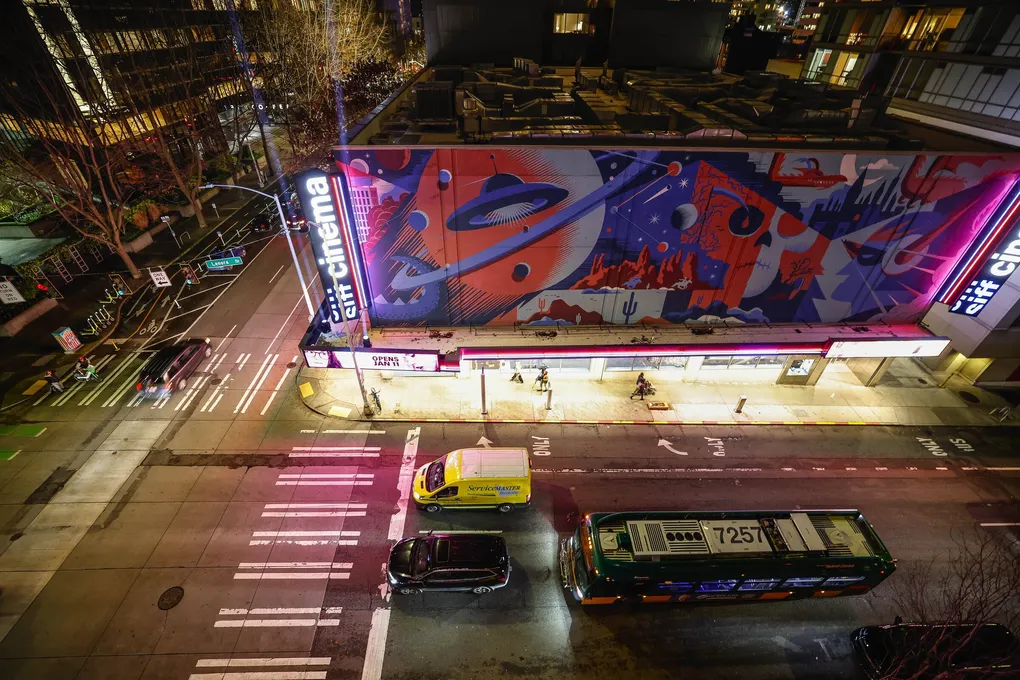
Scarecrow’s sense of community has grown even more important as other local film spaces struggle. “With local theaters closing or losing their physical locations … Scarecrow is becoming a more important nexus for cinema lovers,” Haack said. She hopes the community stays strong until the city’s arts scene fully recovers.
And Scarecrow feels that support. “Rentals and sales are way up, donations are up and our membership program is taking off,” Lynch said. Their recent Video Store Day was the biggest day in the store’s history. Still, running a collection that large comes with challenges, especially space. “We get new movies in all the time, and finding room for them is increasingly tough,” he said.
Even with those challenges, the mission continues. Scarecrow works to preserve titles that could otherwise disappear. “It would be a true tragedy if the cultural history of movies were under the control of a few giant corporations rather than in the hands of an audience,” Lynch said.
Haack and Bren both say losing Scarecrow would feel like losing a piece of Seattle. “Life would feel smaller,” Haack said. Bren added that it would be “a sad moment … a sign people don’t want connection anymore.”
For now, Scarecrow is still here, still busy and still proving that physical media hasn’t gone anywhere. Lynch hopes first-time visitors walk away with more than a rental. “We want people to come in and see what they’ve been missing.”