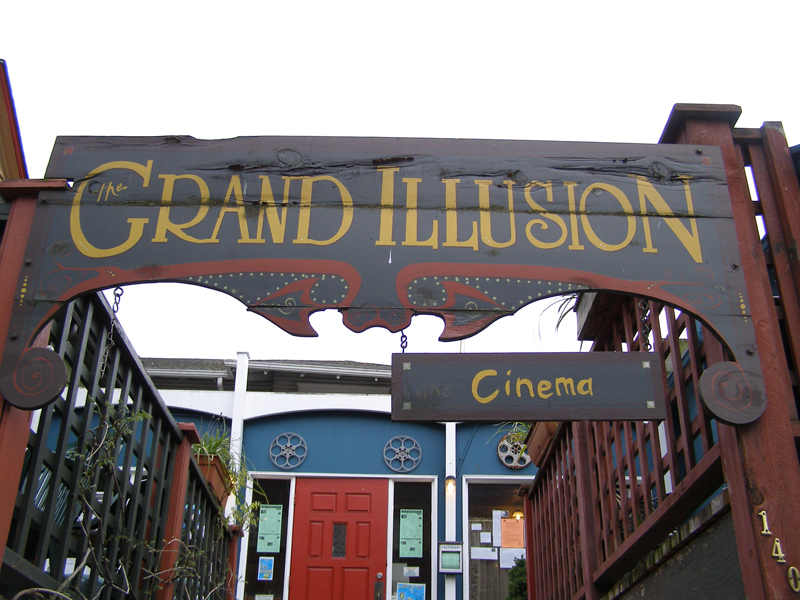
For decades, one small screen in the University District meant more to Seattle than most people realized. The Grand Illusion Cinema wasn’t just a place to watch a movie—it was where you went to feel movies. Now that the theater has closed and is searching for a new home, Seattle hasn’t just lost a building. It has lost another piece of its personality.
The Grand Illusion was never flashy. It didn’t have reclining seats, luxury menus or blockbuster premieres. What it had was character. It showed movies no one else would—cult classics, foreign films, midnight horror marathons and strange little films that stuck with you long after the credits rolled.
For years, it sat quietly in the U-District, right in the middle of one of Seattle’s most creative neighborhoods. Students wandered in between classes. Regulars knew the staff by name. It was a theater that felt lived-in, not corporate— a place that belonged to the people, not investors.
The way the Grand Illusion went dark feels familiar now. No dramatic goodbye, no closing-night ceremony—just another small business that couldn’t keep up with the cost of existing in Seattle. One more reminder that the city is slowly becoming a place where it is easier to build than to belong.
And this isn’t just about one theater. Seattle is changing fast. As rent climbs and development spreads, the places that gave the city its soul are disappearing first. Video stores, record shops and independent theaters—the spaces that once made Seattle feel weird in the best way—are being replaced by buildings that could exist in any city in America.
Streaming plays a role too. Movies are easier than ever to access but harder than ever to truly experience. Watching a film alone at home is convenient, but it is not the same as sitting in a dark room with strangers all reacting in real time. You can rewind a movie at home, but you cannot recreate the energy of a packed theater holding its breath at the same moment.
Theaters make movies feel alive. Independent theaters make them feel personal. The Grand Illusion never treated movies like “content.” It treated them like art. And when spaces like that disappear, film culture doesn’t end—it just becomes smaller, quieter and easier to ignore.
Even without a permanent home, the Grand Illusion has not stopped being a cinema. Since closing its longtime University District location, the theater has continued hosting pop-up screenings and special events at partner venues around Seattle, including collaborations with SIFF theaters and other independent spaces. These screenings keep the community together and remind audiences that the Grand Illusion is still active, still programming and still fighting to return.
Supporters who want to help can do so in several ways. The Grand Illusion maintains a relocation fund to help secure a new space, and donations directly support operational costs while the search continues. Moviegoers can also attend pop-up screenings, become members, or simply share information about upcoming events. Details about screenings, donations and memberships are available through the theater’s official website and social media channels, where updates are posted regularly.
The Grand Illusion’s effort to find a new home is about more than relocation. It is about choosing not to fade out quietly. It is about asking whether Seattle still has room for places that exist simply because they matter.
Seattle loves to call itself creative. But cities don’t prove that through branding—they prove it through what they protect. If places like the Grand Illusion cannot survive here, then Seattle risks becoming a city that looks exciting but feels empty.
It is easy to assume a single closure doesn’t matter in a big city. But enough small losses don’t stay small. They change the entire place.
Seattle deserves more than glass buildings and empty storefronts. It deserves spaces that feel real. It deserves culture you can sit inside. It deserves another chance for the lights to come back on. And the Grand Illusion deserves an encore.